
Compare

KitDocket vs paper forms

Carbon pads work — until a copy goes missing, the handwriting can't be read, or a landlord asks for last year's record. Here's what changes when the form is on your phone.

Start 30-day free trial

30 days free, no card. Nothing to cancel.

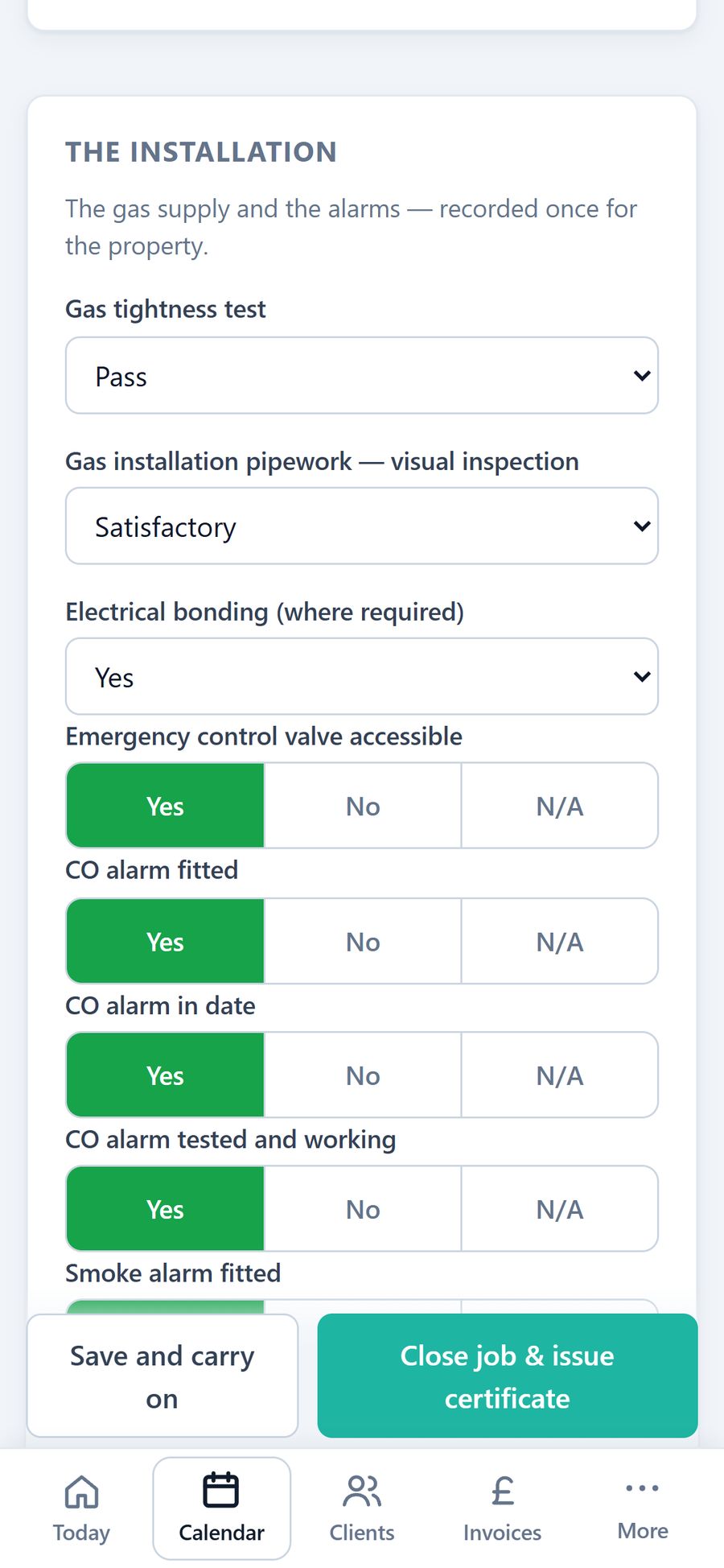
The CP12 safety checks list with every check answered

What's wrong with paper gas certificates?

Nothing, if they're filled in properly and kept. The trouble is everything around them: handwriting that can't be read, carbon copies that fade, pads left in the van, and records that have to be found again when a landlord or a customer asks. An app keeps the same record without the paper chase.

Where do the records go?

With paper, into a filing system — landlords must keep each gas safety record for at least two years. KitDocket keeps every record with the property and the customer, and you can download or resend any of them in seconds, years later.

Who reminds the customer next year?

With paper, you do — from a diary, a spreadsheet or memory. KitDocket sets the next service or CP12 date when you finish the job and emails the customer 30, 14 and 3 days before, with a link to ask for a day. When the job is booked, the reminders stop.

  • Reminders by email, in your company's name
  • Customers ask for a day; you ring to confirm
  • Nobody slips through: customers with no date are listed

Is it slower than filling in a pad?

Usually it's quicker. Customer, address and appliance details are already there from last time, each check is a tap, and the certificate fills itself from the worksheet. You sign on the screen, and the customer gets the PDF by email before you've packed the van.

What does it cost compared with pads?

KitDocket is one price for the company — from £19 a month for up to 3 people — with every certificate included, so there are no pads to buy. Try it free for 30 days with no card, next to your paper forms, and decide for yourself.